A uniform blend is the difference between tablets that pass content-uniformity testing and tablets that don't. Two stainless models cover the range — pick one below for full specs, photos, and pricing.

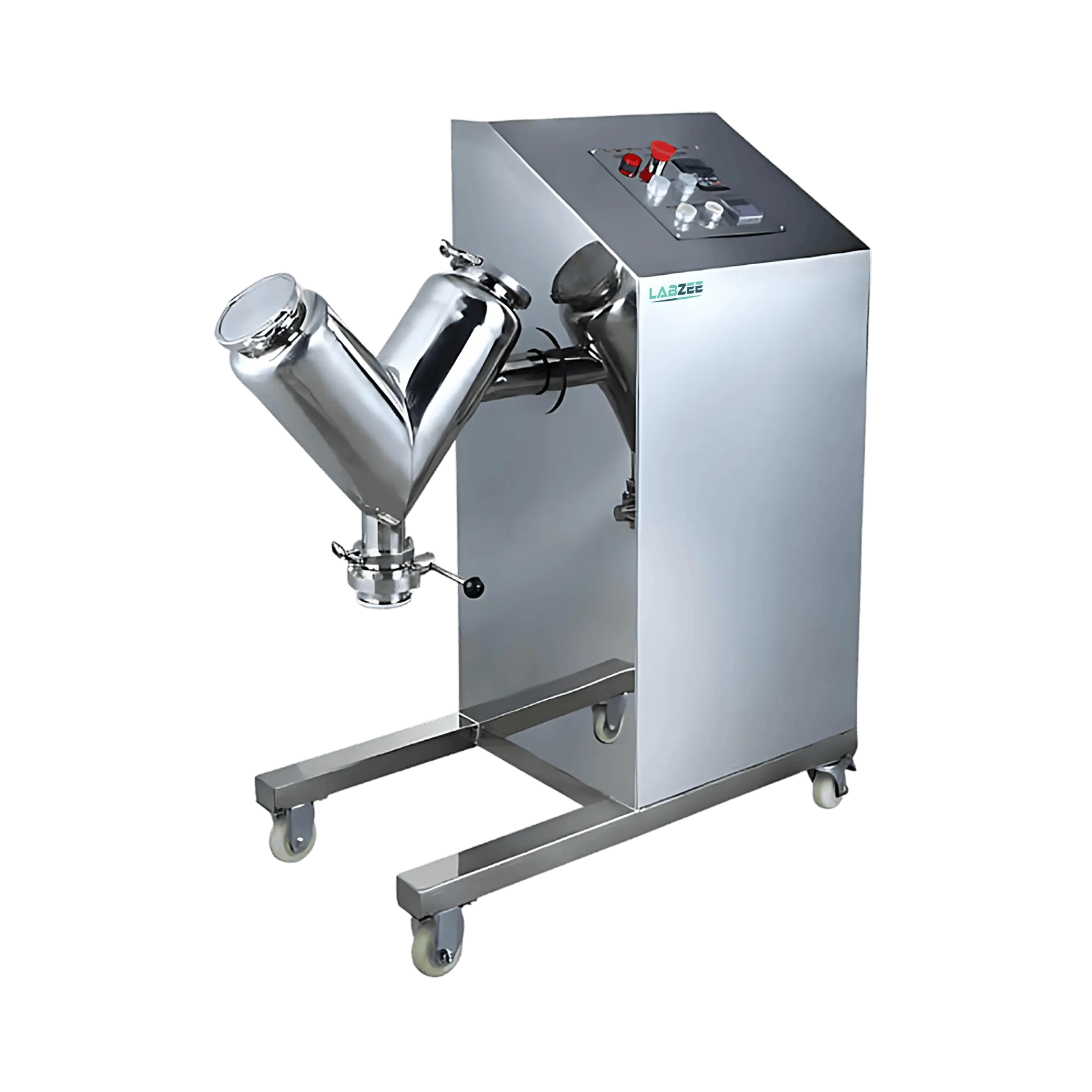
A compact 2L stainless mixer for the smallest formulation trials — mixes trace-level batches down to a few grams on a mobile cart.

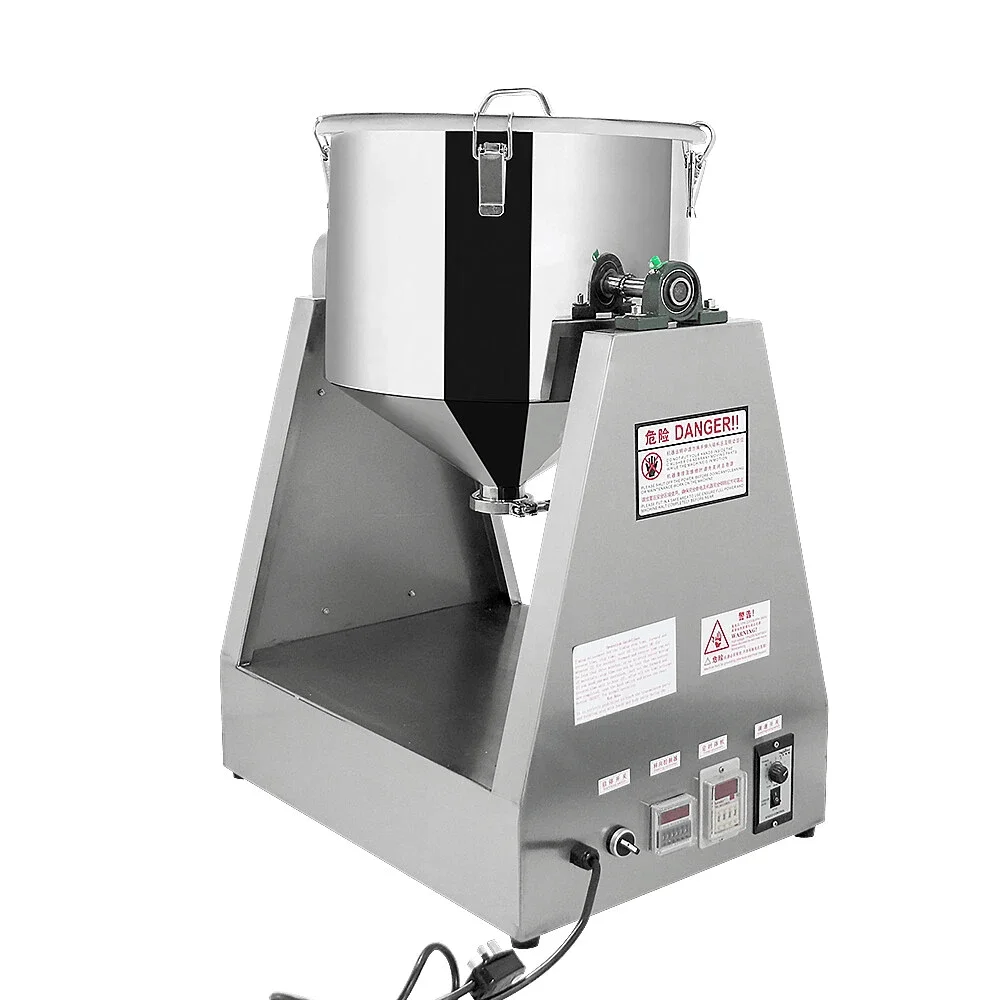
A 10L stainless tumble mixer that bridges bench trials and full production — real batch capacity without the footprint of a full production-line mixer.
Full manuals and dimensioned drawings are included with every unit and available before you buy.
| Model | Vessel | Batch Range | Speed | Contact Parts | Net Weight | Price |
|---|---|---|---|---|---|---|
| SM-2L | 2 L | 0.05–0.8 kg | 20 rpm, fixed | 304 SS | 28 kg | $595.00 |
| SM-10L | 10 L | 1–6 kg | 5–30 rpm, variable | 304 SS | 65 kg | $995.00 |
The SM-2L suits the smallest formulation trials, down to a few grams per batch. The SM-10L bridges bench trials and full production, covering 1–6kg batches. See our how-to guide on using a powder mixer for load levels and speed settings on both.
Yes — uniform blending matters at any batch size. Content-uniformity problems usually start at the mixing stage, not the press, so skipping a proper blend step on a small trial can hide a problem that only shows up once you scale up.
ReadyBlend combined with an active ingredient, or a custom excipient blend built from standalone materials — both mixers handle either. See how to use ReadyBlend tableting powder for the mix-ratio steps.
3–8 minutes on the SM-2L, 5–15 minutes on the SM-10L, depending on batch size and powder density. Full details are in our how-to guide on using a stainless powder mixer.